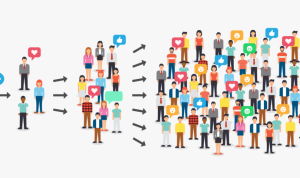


Viral Technology Blends Between Fashion and AI is reshaping the way we think about style and technology. As we witness a fusion of creativity and innovation, this intersection is not just about aesthetics; it’s a revolution that enhances personal expression and transforms the fashion industry. With artificial intelligence making its way into design, marketing, and consumer interaction, the possibilities are endless.
This exciting trend showcases how tech-driven solutions can lead to smarter fashion choices, allowing brands to cater to individual preferences while maintaining a sustainable approach. From AI-generated designs to personalized shopping experiences, the synergy between fashion and technology is setting the stage for a bold new era where data meets artistry.

In today’s fast-paced world, the importance of effective communication can hardly be overstated. Whether in personal relationships, professional settings, or casual interactions, the ability to convey thoughts clearly and persuasively is a crucial skill. This article delves into various aspects of communication, exploring its significance, the different forms it takes, and tips to enhance communication skills for better relationships and professional success.### The Essence of CommunicationAt its core, communication is the process through which information, ideas, and feelings are transmitted between individuals.
It encompasses both verbal and non-verbal forms and serves as a fundamental building block for human interaction. The significance of effective communication cannot be ignored; it fosters understanding, collaboration, and trust among individuals. In a professional environment, it can lead to improved teamwork, higher productivity, and enhanced leadership capabilities.### The Different Forms of CommunicationCommunication can be categorized into several forms:
1. Verbal Communication
This includes spoken and written words. In verbal communication, clarity and tone play vital roles. Whether you’re giving a presentation, engaging in a meeting, or writing an email, how you express your thoughts can significantly affect your message’s reception.
2. Non-Verbal Communication
Body language, facial expressions, gestures, posture, and eye contact all fall under non-verbal communication. These cues often convey more than words themselves and can express emotions and attitudes, sometimes contradicting spoken words.
3. Visual Communication
This involves the use of visual aids—charts, graphs, images, and videos—to convey information. Visual elements can enhance understanding and retention, making complex information more accessible.
4. Listening
While often overlooked, listening is a crucial aspect of communication. Active listening involves fully concentrating on what is being said, understanding the message, responding thoughtfully, and remembering the key points. This not only fosters better understanding but also builds rapport between individuals.### The Importance of Effective CommunicationEffective communication is the cornerstone of successful relationships, both personal and professional. Here are some reasons why honing this skill is essential:
Building Trust
Open and honest communication fosters trust among team members and between friends. When individuals feel they can share their thoughts without judgment, it creates a safe space for collaboration.
Conflict Resolution
Misunderstandings are inevitable in any interaction. However, effective communication can help resolve conflicts quickly and amicably. Being able to articulate feelings and thoughts can lead to constructive discussions rather than arguments.
Improving Team Dynamics
In a workplace, effective communication enhances teamwork. When team members communicate clearly, they can share ideas, provide feedback, and support one another, leading to better results.
Enhancing Leadership Skills
Leaders who communicate effectively inspire and motivate their teams. They convey their vision clearly, provide constructive feedback, and listen to their team members’ concerns, which can lead to a more engaged and productive workforce.### Tips to Enhance Communication SkillsImproving communication skills is a continuous journey. Here are some practical tips to help you communicate more effectively:
1. Be Clear and Concise
Avoid jargon and overly complex language when expressing your ideas. Clear and straightforward language ensures that your message is easily understood. Aim to convey your thoughts without unnecessary embellishment.
2. Practice Active Listening
Focus entirely on the speaker, avoiding distractions. Nod or use verbal affirmations to show that you’re engaged. After they finish speaking, paraphrase what you’ve heard to confirm understanding.
3. Pay Attention to Non-Verbal Cues
Your body language often speaks louder than your words. Be mindful of your posture, eye contact, and facial expressions. Ensure that they align with the message you wish to convey.
4. Adapt Your Style to Your Audience
Consider the background, knowledge level, and preferences of your audience. Tailoring your communication style can help ensure that your message resonates with them.
5. Encourage Open Dialogue
Foster an environment where individuals feel comfortable voicing their opinions and ideas. Ask open-ended questions to stimulate discussion and show that you value their input.
6. Provide Constructive Feedback
When offering feedback, focus on the behavior rather than the individual. Be specific about what can be improved and provide suggestions for how to achieve those improvements.
7. Practice Empathy
Try to understand others’ perspectives and feelings. Demonstrating empathy can help build connections and promote collaboration.
8. Stay Calm and Composed
In challenging conversations, maintaining your composure is vital. Take deep breaths and avoid reacting impulsively. A calm demeanor can help de-escalate tensions and facilitate productive dialogue.### The Role of Technology in CommunicationThe advent of technology has transformed the landscape of communication. With tools like emails, instant messaging, video calls, and social media, people can connect more easily than ever before.
However, this digital revolution also poses challenges. Miscommunications can arise from the lack of non-verbal cues, and the immediacy of technology can sometimes lead to rushed responses.To adapt to this new landscape, consider the following:
Choose the Right Medium
Select the appropriate platform for your message. For sensitive topics, face-to-face conversations or video calls may be preferable over emails or texts.

Be Mindful of Tone
Written communication can often be misinterpreted. Use clear language and consider how your tone may come across. When in doubt, opt for more formal language to avoid any misunderstandings.
Limit Distractions
When communicating through technology, minimize distractions. Turn off notifications and focus on the conversation at hand to ensure effective engagement.### ConclusionIn conclusion, effective communication is a multifaceted skill that plays an integral role in our daily lives. From building trust to resolving conflicts and enhancing teamwork, the ability to convey ideas and emotions clearly is invaluable. By actively working on our communication skills—be it through verbal, non-verbal, or visual means—we can improve our personal and professional relationships significantly.
In an age where technology continually shapes our interactions, adapting our communication strategies to the evolving landscape is crucial. Remember, great communicators are not born; they are made through practice, reflection, and a commitment to growth. So, embark on this journey of continuous improvement, and witness the profound impact it can have on your life.
General Inquiries: Viral Technology Blends Between Fashion And AI
What is the role of AI in fashion?
AI plays a crucial role in streamlining design processes, predicting trends, and personalizing shopping experiences for consumers.
How does technology enhance sustainability in fashion?
Technology helps brands track supply chains, reduce waste, and develop eco-friendly materials, contributing to sustainable practices.
Can AI replace human designers?
While AI can assist in generating designs and analyzing trends, human designers bring creativity and emotional depth that technology cannot replicate.
What are the potential drawbacks of merging AI with fashion?
Potential drawbacks include over-reliance on technology, loss of jobs in traditional roles, and ethical concerns regarding data privacy.
How is consumer behavior changing with AI in fashion?
Consumers now expect more personalized experiences, with AI helping brands to offer tailored recommendations and curated collections.