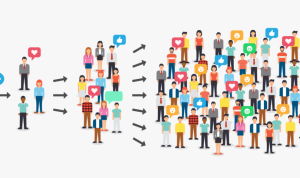


Viral Tech Hacks Loved by Students and Creators sets the stage for this enthralling narrative, offering a glimpse into innovative solutions that simplify tasks and enhance creativity. In today’s fast-paced world, students and creators alike are constantly seeking ways to streamline their workflows and maximize productivity. These hacks not only save time but also inspire a fresh perspective on how technology can be leveraged effectively.
From productivity tools to creative apps, the realm of tech hacks is vast, providing valuable resources for anyone looking to elevate their game. Whether you’re a student juggling assignments or a content creator aiming for that viral moment, these tech insights are designed to empower you with practical solutions that resonate.

In today’s fast-paced world, the concept of work-life balance has become a hot topic among professionals and employers alike. As we navigate our careers, the importance of maintaining a healthy balance between work obligations and personal life has gained significant attention. This article will explore the various aspects of work-life balance, its impact on productivity and mental health, and practical strategies to achieve a harmonious blend of both spheres in our lives.
Understanding Work-Life BalanceWork-life balance refers to the equilibrium that an individual must maintain between their professional responsibilities and personal interests. It is a state where the demands of one’s career do not encroach excessively upon personal time and vice versa. Achieving this balance is essential not only for individual well-being but also for fostering a productive work environment.The traditional view of work-life balance often painted it as a simple equation: the more hours you work, the less time you have for personal pursuits.
However, in recent years, this perspective has evolved. Now, it’s understood that the quality of work and the quality of personal time are equally important. A balanced life allows individuals to recharge, enhancing their effectiveness at work and in personal relationships. The Importance of Work-Life Balance
1. Mental Health Benefits
The pressures of modern work environments can lead to stress, anxiety, and burnout. Maintaining a healthy work-life balance helps mitigate these risks. Time away from work allows individuals to engage in activities that replenish their mental energy, making them more resilient and focused when they return to their professional duties.
2. Increased Productivity
Contrary to the belief that longer hours equate to higher productivity, research indicates that overworking can lead to diminishing returns. Employees who take regular breaks and utilize their personal time effectively often produce higher quality work. A balanced approach allows for greater creativity and efficiency.
3. Improved Relationships
The time spent away from work can be invaluable for nurturing personal relationships. Whether it’s spending time with family or engaging in social activities, these interactions enrich our lives and provide support systems that bolster our professional endeavors.
4. Job Satisfaction
Employees who feel they have a good work-life balance are more likely to be satisfied with their jobs. This satisfaction can lead to lower turnover rates, reducing the costs associated with recruitment and training of new staff. Challenges to Achieving Work-Life BalanceDespite its importance, many individuals struggle to achieve a satisfactory work-life balance. Several factors contribute to this challenge:
1. Technology
With the rise of smartphones and remote working, the line between professional and personal time has blurred significantly. It’s now easier than ever to check emails or engage in work-related tasks outside of traditional working hours.
2. Company Culture
Some workplaces foster a culture of overwork, where long hours are not just expected but celebrated. This can pressure employees to prioritize work over their personal lives, leading to burnout.
3. Personal Expectations
Individuals often set high expectations for themselves, feeling the need to excel in both their careers and personal lives. This dual pressure can lead to feelings of inadequacy and a constant sense of being overwhelmed. Strategies for Achieving Work-Life BalanceAchieving a healthy work-life balance requires conscious effort and effective strategies. Here are some practical tips to help individuals find that equilibrium:
1. Set Boundaries
Clearly define your work hours and stick to them. Communicate these boundaries with your colleagues and supervisors. Setting limits on your availability can help protect your personal time.
2. Prioritize Tasks
Use tools like to-do lists or digital planners to prioritize tasks based on urgency and importance. Focus on completing high-priority tasks during work hours to prevent work from spilling into your personal time.
3. Embrace Flexibility
If your job allows for it, take advantage of flexible working arrangements. Whether it’s adjusting your hours or working remotely, flexibility can significantly enhance your ability to manage personal commitments alongside professional responsibilities.
4. Unplug Regularly
Make a commitment to unplug from technology during your personal time. Designate specific hours where you will not check emails or work-related messages. This practice can help you mentally detach from work.
5. Engage in Hobbies
Pursue interests outside of work that bring you joy. Whether it’s painting, hiking, cooking, or any other hobby, dedicating time to personal passions can provide a fulfilling escape from work pressures.
6. Communicate with Your Employer
If you’re struggling with balancing your workload, don’t hesitate to talk with your supervisor. Discussing your concerns can lead to adjustments in your responsibilities or work schedule.
7. Practice Self-Care
Prioritize your health and well-being. Incorporate regular exercise, healthy eating, and mindfulness practices such as meditation or yoga into your routine. Taking care of your body and mind is essential for maintaining balance. Employers’ Role in Work-Life BalanceWhile individuals are responsible for their own work-life balance, employers also play a critical role in fostering a culture that promotes balance. Here are some ways organizations can support their employees:
1. Flexible Work Policies
Implementing flexible work hours and remote work options can help employees manage their time more effectively.
2. Encourage Time Off
Encourage employees to take their vacation days and mental health days. A culture that promotes taking breaks helps normalize the importance of rest.
3. Provide Resources
Offer resources such as counseling services, wellness programs, and workshops on stress management to support employees’ mental health.
4. Lead by Example
Leaders should model work-life balance behaviors. When senior management demonstrates a commitment to balance, it sets a precedent for the entire organization.
5. Create a Supportive Environment
Foster an inclusive workplace where employees feel comfortable discussing their workloads and potential adjustments. Open communication can lead to a more supportive atmosphere. ConclusionIn conclusion, achieving work-life balance is a dynamic and ongoing process that requires conscious effort from both individuals and employers. By recognizing the importance of this balance and implementing practical strategies, we can enhance not only our own well-being but also foster a healthier work environment.
Ultimately, a harmonious blend of work and personal life leads to greater satisfaction, productivity, and overall happiness. As we continue to navigate our careers in an ever-evolving landscape, let us prioritize our well-being and strive for that delicate balance that enriches our lives both personally and professionally.
Essential Questionnaire: Viral Tech Hacks Loved By Students And Creators
What are some popular tech hacks for students?
Popular tech hacks for students include using note-taking apps like Notion, leveraging online study tools like Quizlet, and utilizing productivity timers such as Pomodoro to manage study sessions effectively.
How can creators benefit from tech hacks?
Creators can benefit from tech hacks by discovering editing software shortcuts, using automation tools for social media management, and employing design platforms like Canva for quick graphic creation.
Are these hacks applicable to all fields of study?
Yes, while some hacks may cater to specific subjects, many are versatile and can enhance productivity and creativity across various fields of study.
How do I stay updated on new tech hacks?
Following tech blogs, subscribing to YouTube channels focused on tech tips, and joining online communities can help you stay informed about the latest tech hacks and trends.
Can tech hacks improve collaboration among students and creators?
Absolutely! Many tech hacks promote collaborative tools that facilitate communication and project management, making teamwork more efficient and enjoyable.