

Viral Stories of Insurance Claims Around the World offers a fascinating glimpse into the peculiar and often surprising incidents that lead to insurance claims across the globe. From outlandish accidents to bizarre circumstances, these stories not only entertain but also shed light on the unpredictable nature of life and the insurance industry. Join us as we explore some of the most extraordinary claims that have captured the attention of people worldwide.
These tales often highlight the unexpected challenges policyholders face and how insurance companies respond to these unique situations. With a mix of humor and intrigue, these viral stories paint a vivid picture of the diverse experiences individuals encounter, reminding us that life can be both unpredictable and amusing.

In today’s fast-paced world, the importance of effective communication cannot be overstated. The ability to convey thoughts, ideas, and feelings clearly and persuasively can make a significant difference in both personal and professional realms. As we navigate through various interactions—whether at work, in social settings, or even in our communities—the way we express ourselves plays a crucial role in how we are perceived and how effectively we can connect with others.### Understanding Communication Communication is not merely about speaking; it encompasses a range of skills including listening, understanding non-verbal cues, and responding appropriately.
This multifaceted process can be broken down into several key components:
1. Verbal Communication
This is the most obvious form of communication. It includes the words we choose, the tone of our voice, and the clarity of our speech. Effective verbal communication requires not only the right choice of words but also an awareness of how tone can alter meaning.
2. Non-Verbal Communication
Often, what we do not say can speak volumes. Body language, facial expressions, and gestures can convey emotions and attitudes that words may not capture. Being aware of these non-verbal signals can enhance understanding and connection.
3. Listening Skills
Active listening is an essential part of effective communication. It involves fully concentrating on what is being said, understanding the message, responding thoughtfully, and remembering key points. Good listeners are seen as more empathetic and trustworthy.
4. Clarity and Conciseness
The ability to communicate clearly and avoid unnecessary jargon is vital. Whether you are writing an email or having a face-to-face conversation, being concise helps ensure that your message is understood as intended.
5. Empathy
Understanding the feelings and perspectives of others can greatly enhance communication. Empathetic communication fosters trust and openness, making it easier to address conflicts and find common ground.### The Role of Technology in CommunicationIn recent years, technology has transformed the way we communicate. From emails and text messages to social media and video conferencing, the methods of communication are constantly evolving.
While this shift has made it easier to connect with people across the globe, it also comes with challenges. Digital Communication: Online interactions often lack the non-verbal cues present in face-to-face conversations. Misinterpretations can occur more easily, leading to misunderstandings. Therefore, it’s essential to be mindful of tone and clarity in written communications. Emoticons and gifs can add a layer of emotion, but they can also be misinterpreted.
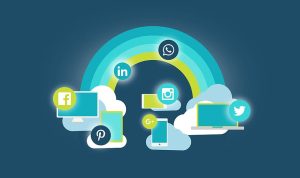
Social Media: Platforms like Facebook, Twitter, and Instagram have changed the dynamics of personal and professional communication. While they offer opportunities for engagement and outreach, they also require individuals to be more conscious of their online presence. Crafting a personal brand through social media involves careful consideration of the messages being shared. Video Conferencing: The rise of platforms such as Zoom and Microsoft Teams has made remote communication more accessible.
However, it also brings challenges, such as ensuring that everyone remains engaged and that non-verbal signals are adequately conveyed. Additionally, virtual meetings can sometimes lead to “Zoom fatigue,” where prolonged screen time results in decreased attention and productivity.### Strategies for Improving CommunicationImproving communication skills is a continual process that involves practice and self-awareness. Here are several strategies to enhance your communication effectiveness:
1. Practice Active Listening
Focus entirely on the speaker, make eye contact, and acknowledge their points. Ask clarifying questions to demonstrate your engagement and understanding.
2. Be Mindful of Non-Verbal Signals
Pay attention to your body language and facial expressions, as well as those of others. A genuine smile, open posture, and appropriate gestures can help convey warmth and interest.
3. Tailor Your Message
Consider your audience when delivering a message. Different contexts may require different approaches. For example, a formal presentation at work will differ in tone and style from a casual chat with friends.
4. Seek Feedback
Regularly ask for feedback on your communication style. This can be from colleagues, friends, or family members. Constructive criticism can provide insights into areas for improvement.
5. Engage in Public Speaking
Participating in public speaking opportunities, whether through formal presentations or informal gatherings, can significantly enhance your verbal communication skills and boost your confidence.
6. Read and Write Regularly

Engaging with diverse materials—books, articles, and essays—can improve vocabulary and comprehension. Writing regularly, whether through journaling or blogging, can also enhance clarity of thought and expression.
7. Be Open-Minded
Approach conversations with a willingness to understand differing viewpoints. This openness can facilitate deeper interactions and encourage more productive discussions.### The Impact of Good CommunicationThe benefits of honing effective communication skills extend far beyond social interactions. In the workplace, strong communication leads to improved teamwork, higher productivity, and enhanced problem-solving capabilities. When team members communicate well, they can collaborate more effectively, share ideas openly, and address challenges head-on.Moreover, good communication fosters positive relationships.
Whether in personal or professional contexts, being able to express thoughts and emotions clearly helps build trust and rapport. People are more likely to feel valued and understood when they are met with clear and empathetic communication.In conflict situations, effective communication skills are invaluable. The ability to approach disagreements with respect and understanding can pave the way for resolution and compromise.
Instead of escalating tensions, good communicators can find common ground and work towards solutions that satisfy all parties involved.### ConclusionIn summary, effective communication is a vital skill that can enhance every aspect of our lives. By understanding the various components of communication, leveraging technology appropriately, and implementing practical strategies for improvement, we can become more adept communicators. As we navigate our personal and professional lives, prioritizing clear and empathetic communication will foster better relationships, reduce misunderstandings, and ultimately lead to a more fulfilling and connected existence.
Thus, investing time and effort into improving our communication skills is not just beneficial—it is essential for success in today’s world.
Quick FAQs: Viral Stories Of Insurance Claims Around The World
What are some examples of viral insurance claims?
Examples include claims for bizarre accidents, such as a person getting stuck in a vending machine while trying to retrieve a snack or a claim for damage caused by a pet that accidentally knocked over a valuable item.
Why do some insurance claims go viral?
Some claims go viral due to their outrageous nature, unexpected twists, or simply because they resonate with people’s experiences and sense of humor.
How do insurance companies handle unusual claims?
Insurance companies typically assess each claim on a case-by-case basis, taking into account the specifics of the situation, policy coverage, and any applicable laws.
Are there any famous cases of insurance claims?
Yes, there have been famous insurance claims, such as the case of a celebrity who claimed for a lost diamond ring or high-profile claims resulting from accidents at large events.
How can I avoid issues with my insurance claims?
To avoid issues, ensure that you understand your policy, provide accurate information, and document everything thoroughly when filing a claim.