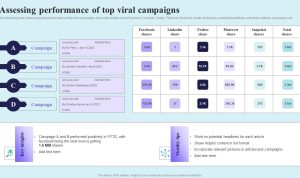


Viral Insurance Stories That Inspired Millions Online takes readers on an unexpected journey through real-life experiences that have made a significant impact in the insurance world. These stories not only highlight the importance of insurance but also demonstrate how it can change lives, offering hope and inspiration to many. From heartwarming claims to astonishing customer service, the tales shared here emphasize the human element behind insurance, making it relatable and memorable.
The exploration of these stories sheds light on the transformative power of insurance, illustrating how it serves as a safety net for individuals and families alike. In an industry often seen as mundane, these narratives break the mold, showing that insurance is more than just a policy—it’s about real people and their extraordinary experiences.

In today’s fast-paced world, the importance of effective communication cannot be overstated. Whether you are engaging with colleagues, clients, or friends, the ability to articulate your thoughts clearly and confidently is crucial. In this article, we will explore the various elements that contribute to effective communication, the challenges one might face, and strategies to enhance your communication skills.Effective communication is a multi-faceted process that involves not just the words you choose but also your tone, body language, and listening skills.
It is essential to understand that communication is not merely about talking; it encompasses conveying and receiving messages in a way that fosters understanding and collaboration.### The Elements of Effective Communication
1. Clarity and Conciseness
One of the fundamental principles of effective communication is clarity. When you express your ideas, aim to be as clear and concise as possible. Avoid jargon and overly complex sentences that can confuse your audience. Remember, the goal is to convey your message in a straightforward manner that is easily digestible.
2. Active Listening
Communication is a two-way street, and active listening plays a crucial role in this process. When someone else is speaking, give them your full attention. Show that you are engaged by nodding, making eye contact, and providing feedback. This not only helps you understand their perspective but also makes the speaker feel valued.
3. Nonverbal Communication
Your body language, facial expressions, and gestures all contribute to your communication style. Be aware of how you present yourself physically. Positive body language, such as an open posture and a friendly smile, can significantly enhance the message you are trying to convey. Conversely, negative body language, like crossing your arms or avoiding eye contact, can create barriers in communication.
4. Empathy and Emotional Intelligence
Understanding your audience’s feelings and perspectives is vital for effective communication. Empathy allows you to connect on a deeper level and fosters a sense of trust. Cultivating emotional intelligence can help you navigate complex conversations and respond appropriately to the emotions of others.
5. Feedback
Providing and receiving feedback is an essential part of communication. Constructive feedback can help clarify misunderstandings and improve future interactions. When giving feedback, be specific and focus on the issue at hand rather than making it personal. When receiving feedback, remain open-minded and avoid becoming defensive.### Common Challenges in CommunicationDespite our best intentions, communication can sometimes break down.
Here are some common challenges that individuals face:
1. Cultural Differences
In our increasingly globalized world, communication often occurs across cultural boundaries. Different cultures may have varying norms regarding communication styles, which can lead to misunderstandings. It’s essential to be aware of these differences and adjust your approach accordingly.
2. Emotional Barriers
Emotions can significantly impact how we communicate. Stress, anger, or anxiety can cloud our judgment and lead to miscommunication. Recognizing and managing your emotions, as well as being sensitive to the emotions of others, can help mitigate these barriers.
3. Misinterpretation
Words can be interpreted in various ways, depending on the context and the individual’s perspective. To avoid misinterpretation, strive to be precise in your language and confirm understanding by paraphrasing or asking clarifying questions.
4. Technological Impediments
With the rise of digital communication, challenges such as miscommunication in emails or misunderstandings in text messages have become common. When communicating electronically, be mindful of your tone and consider using video calls for more nuanced conversations.### Strategies to Enhance Communication SkillsImproving your communication skills is a continuous journey that requires practice and self-awareness. Here are some effective strategies to help you on this path:
1. Practice Active Listening
Make a conscious effort to practice active listening in your daily interactions. Avoid interrupting the speaker and instead focus on understanding their message before responding. Consider summarizing what they’ve said to ensure you’ve grasped their points accurately.
2. Engage in Public Speaking
Public speaking can be daunting, but it is one of the best ways to enhance your communication skills. Consider joining groups such as Toastmasters, where you can practice speaking in front of an audience and receive constructive feedback.
3. Seek Feedback and Reflect
After conversations or presentations, seek feedback from trusted colleagues or friends. Reflect on what went well and what could be improved. This self-reflection is crucial for growth and can help you identify areas to focus on moving forward.
4. Read and Write Regularly
Expanding your vocabulary and improving your writing skills can greatly enhance your verbal communication. Reading diverse materials exposes you to different styles and ways of expressing ideas, while writing helps to clarify your thoughts and improve articulation.
5. Stay Calm Under Pressure
High-pressure situations can lead to miscommunication. Practice techniques to stay calm, such as deep breathing or pausing before responding. This can help you articulate your thoughts more clearly and handle challenging conversations with poise.
6. Adapt Your Style
Different audiences may require different communication styles. Pay attention to the preferences of those you are communicating with and be willing to adjust your approach accordingly. This adaptability can enhance your effectiveness in various situations.### ConclusionEffective communication is an invaluable skill that can enrich both your personal and professional life. By focusing on clarity, active listening, nonverbal cues, empathy, and feedback, you can foster better relationships and facilitate meaningful interactions.
While challenges may arise, being aware of them allows you to navigate communication hurdles more effectively. Remember, communication is a skill that can always be refined and improved. By implementing the strategies discussed in this article, you can enhance your ability to connect with others, articulate your thoughts, and build stronger relationships in all areas of your life. Embrace the journey of becoming a better communicator, and you will undoubtedly see the positive impacts in your day-to-day interactions.
Questions and Answers: Viral Insurance Stories That Inspired Millions Online
What makes an insurance story go viral?

An insurance story tends to go viral when it resonates emotionally with readers, often due to unique circumstances, surprising outcomes, or relatable human experiences that capture attention.
How can these stories impact public perception of insurance?
These stories can significantly improve public perception by showcasing the positive aspects of insurance, emphasizing its role in providing security and support during challenging times.
Are there any platforms where these stories are commonly shared?
Yes, these stories are frequently shared on social media platforms, blogs, and news articles, where they can reach a broader audience and encourage discussions.
Can businesses learn from these viral stories?
Absolutely, businesses can analyze the elements that made these stories resonate, applying similar principles in their marketing strategies to connect better with their audience.
What should readers take away from these stories?
Readers should take away the understanding that insurance can be a powerful tool for protection and that the stories behind it can be both inspiring and educational.