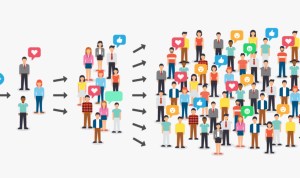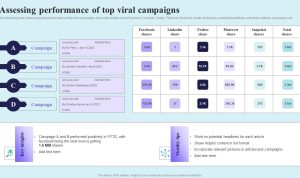


Viral Comparisons of Popular Insurance Products in 2025 sets the stage for this enthralling narrative, offering readers a glimpse into a story that is rich in detail. As we explore the landscape of insurance products in the coming year, we’ll uncover the trends and innovations that are reshaping the industry. This includes an in-depth look at how consumers are making more informed choices, driven by comparative analyses that highlight the strengths and weaknesses of various offerings.
The transition to a more digital-first approach in the insurance sector not only enhances accessibility but also amplifies competition. Companies are leveraging technology to present their products in ways that are more engaging and straightforward for consumers. This dynamic environment is fostering a culture of transparency and choice, paving the way for a more educated customer base eager to make comparisons before making their financial commitments.

In today’s fast-paced digital age, innovation has become an integral part of our daily lives. From social media to online shopping, the ways in which we interact, communicate, and conduct business have undergone monumental changes. The rise of technology has not only transformed our personal lives but also shaped entire industries, creating new opportunities and challenges alike.One of the most significant developments in recent years is the emergence of artificial intelligence (AI).
This technology has revolutionized various sectors, including healthcare, finance, education, and entertainment. AI systems can analyze vast amounts of data, identify patterns, and even make predictions, thereby enhancing efficiency and decision-making processes. For instance, in healthcare, AI-powered tools are being used to diagnose diseases at an early stage, leading to more effective treatments and better patient outcomes. In finance, algorithms can assess credit risk and detect fraudulent transactions in real-time, making financial systems safer and more reliable.Moreover, the integration of AI into everyday applications has transformed how we interact with technology.
Voice assistants like Siri and Alexa have made it easier for individuals to manage their schedules, control their smart homes, and access information instantly. These advancements have not only streamlined tasks but have also encouraged a shift towards a more connected and automated lifestyle.However, with these advancements come ethical considerations and challenges. The increasing reliance on AI raises questions about privacy, security, and the potential for job displacement.

As machines start to perform tasks traditionally carried out by humans, there is a growing concern about the future of work. It is crucial for businesses and policymakers to navigate these challenges carefully to ensure that technological advancements benefit everyone, rather than just a select few.Another area where innovation has made significant strides is renewable energy. With the looming threat of climate change, there has been a global push towards sustainable energy sources.
Solar and wind power, in particular, have gained traction due to their ability to reduce carbon emissions and reliance on fossil fuels. Technological advancements have led to more efficient solar panels and wind turbines, making these energy sources more accessible and cost-effective.Countries around the world are investing in renewable energy infrastructure to transition to a more sustainable energy system. This shift not only contributes to environmental preservation but also creates jobs in new industries, fostering economic growth.
Moreover, as more individuals and businesses adopt renewable energy solutions, the demand for innovation in this field continues to rise, driving further advancements and improvements.In addition to energy and AI, the world of e-commerce has also experienced a transformative journey. The pandemic accelerated the shift towards online shopping, forcing many businesses to adapt quickly. E-commerce platforms have innovated their services, providing personalized shopping experiences and efficient delivery systems.
Technologies such as augmented reality (AR) have enhanced online shopping by allowing customers to visualize products in their own space before making a purchase decision.The rise of social commerce has also changed the way brands interact with consumers. Social media platforms are increasingly becoming shopping destinations, where users can discover and purchase products seamlessly. Influencers play a significant role in shaping consumer behavior, as their recommendations can drive sales and boost brand visibility.
This shift has prompted businesses to rethink their marketing strategies, focusing on authentic engagement and community-building.As we delve deeper into the digital landscape, cybersecurity has emerged as a paramount concern. With the proliferation of online activities, the risk of cyber threats has increased significantly. Businesses must prioritize cybersecurity measures to protect sensitive data and maintain consumer trust. Advanced technologies such as machine learning are being employed to detect and mitigate cyber threats in real-time, ensuring a safer online environment for users.In the realm of education, technology has transformed the learning experience.
Online learning platforms have gained popularity, offering flexible and accessible education options for students around the world. The integration of interactive tools and multimedia content has made learning more engaging and effective. Additionally, AI-driven personalized learning solutions can adapt to individual student needs, ensuring that everyone has the opportunity to succeed.Despite the many benefits of technological advancements, it is essential to acknowledge the digital divide that still exists.
Access to technology and the internet remains unequal, particularly in rural and underserved communities. Bridging this gap is crucial to ensuring that everyone can benefit from the innovations shaping our world. Initiatives aimed at improving digital literacy and expanding internet access are vital in addressing these disparities.As we look towards the future, the role of innovation will continue to be pivotal in shaping our society.
The challenges we face, including climate change, health crises, and economic disparities, necessitate creative solutions and collaborative efforts. Embracing innovation and fostering a culture of open-mindedness will empower individuals and organizations to tackle these challenges head-on.In conclusion, the interplay between technology and innovation is a driving force in our modern world. From AI and renewable energy to e-commerce and education, the impact of these advancements is profound and far-reaching.
As we navigate this ever-evolving landscape, it is crucial to strike a balance between harnessing the benefits of technology while addressing the ethical and societal implications that arise. By fostering a spirit of innovation and inclusivity, we can work towards a brighter, more equitable future for all.
Key Questions Answered: Viral Comparisons Of Popular Insurance Products In 2025
What are viral comparisons in insurance?
Viral comparisons in insurance refer to trending analyses and reviews of insurance products that engage consumers and often spread rapidly across platforms.
Why are comparisons important for insurance products?
Comparisons help consumers make informed decisions by highlighting differences in coverage, costs, and benefits among various insurance options.
How do social media impact insurance product comparisons?
Social media amplifies the visibility of comparisons, allowing users to share experiences and insights, which can influence potential buyers significantly.
What factors should consumers consider when comparing insurance products?
Consumers should consider coverage limits, deductibles, premiums, customer reviews, and the claims process when comparing insurance products.
Are there tools available for comparing insurance products?
Yes, many websites and apps provide comparison tools that allow users to evaluate different insurance products side-by-side based on their specific needs.