


Smart Gadgets Dominating Lifestyle Trends on Social Media sets the stage for an exciting exploration into how cutting-edge technology shapes the way we live and interact online. As our daily lives become increasingly intertwined with innovative devices, social media platforms serve as the perfect stage for showcasing these gadgets, influencing trends and sparking conversations around modern living. From smart home devices that enhance our comfort to fitness trackers that motivate healthier choices, the impact of these gadgets is palpable and far-reaching.
This narrative delves into the seamless integration of smart technology into our lifestyles, highlighting the ways in which social media amplifies their presence and appeal. By examining the intersection of innovation and connectivity, we can better understand the evolving dynamics of contemporary living in a digital age.

Time management is a crucial skill that can lead to increased productivity, reduced stress, and a more balanced life. In our fast-paced world, where distractions are abundant and responsibilities are ever-increasing, mastering time management is essential for achieving both personal and professional success.
Understanding Time Management: Smart Gadgets Dominating Lifestyle Trends On Social Media
At its core, time management involves planning and exercising conscious control over the amount of time spent on specific activities. Good time management enables an individual to complete more in a shorter period of time, lowers stress, and leads to career success. It is not just about managing time effectively; it’s about prioritizing tasks and making the most of your available hours.
Benefits of Time Management
- Increased Productivity: With effective time management, you can achieve more in less time. By organizing your tasks and setting priorities, you can focus on what really matters.
- Reduced Stress: Managing your time well can lead to less anxiety. When you know you have a plan and a timeline, you’re less likely to feel overwhelmed.
- Better Work-Life Balance: By using your time efficiently, you can make space for personal activities and relaxation, helping you maintain a healthy balance between work and personal life.
- Improved Quality of Work: When you allocate appropriate time to tasks, the quality of your work improves as you can focus and devote more attention to details.
- Achievement of Goals: Time management helps you set and achieve personal and professional goals. With a clear strategy, you can track your progress and celebrate your achievements.
Key Principles of Time Management
To effectively manage your time, consider adopting the following principles:
- Set Clear Goals: Define what you want to achieve in both the short and long term. Make your goals specific, measurable, achievable, relevant, and time-bound (SMART).
- Prioritize Tasks: Use techniques like the Eisenhower Matrix to distinguish between what is urgent and important. Focus on high-priority tasks that align with your goals.
- Plan Your Day: Spend 10-15 minutes each day planning your tasks. Create a to-do list to track what you need to accomplish and allocate time slots for each task.
- Avoid Procrastination: Tackle tasks head-on. Break larger projects into smaller, manageable tasks and set deadlines for each to minimize the temptation to procrastinate.
- Learn to Say No: Protect your time by being selective about the commitments you take on. Politely decline tasks or projects that do not align with your goals.
Techniques for Effective Time Management
There are several techniques that can help improve your time management skills:
1. The Pomodoro Technique
This method involves breaking work into intervals, traditionally 25 minutes in length, separated by short breaks. After four pomodoros, you take a longer break. This technique helps maintain focus and reduces mental fatigue.
2. Time Blocking
Time blocking involves scheduling specific blocks of time for different tasks or activities throughout your day. This helps create a structure and ensures that you allocate time for both work and leisure activities.
3. The Two-Minute Rule, Smart Gadgets Dominating Lifestyle Trends on Social Media
If a task takes less than two minutes to complete, do it immediately rather than adding it to your to-do list. This can help keep your list manageable and reduce mental clutter.
4. The 80/20 Rule (Pareto Principle)
This principle suggests that 80% of results come from 20% of efforts. Identify which tasks yield the most results and prioritize these to maximize your productivity.
Overcoming Challenges in Time Management
Despite the best intentions, we all face challenges when it comes to managing our time. Here are some common obstacles and strategies to overcome them:
- Distractions: Identify your main distractions and find ways to minimize them, such as turning off notifications or creating a dedicated workspace.
- Perfectionism: Striving for perfection can hinder progress. Focus on completing tasks to a satisfactory level rather than an ideal one.
- Unrealistic Expectations: Set achievable goals. Overloading your schedule can lead to burnout. Be realistic about what you can accomplish in a day.
Tools and Resources for Time Management
There are numerous tools available that can help streamline your time management process:
- Task Management Apps: Tools like Todoist, Trello, and Asana allow you to create to-do lists, set deadlines, and track progress.
- Calendars: Use digital calendars like Google Calendar or Outlook to schedule appointments and reminders.
- Time Tracking Software: Applications like Toggl and Clockify can help you understand where your time goes and identify areas for improvement.
Conclusion
In conclusion, mastering time management is an art that requires continuous practice and dedication. By understanding the principles, techniques, and tools available, you can enhance your productivity, reduce stress, and create a more fulfilling life. Remember, the goal is not just to be busy but to be productive. Take charge of your time, and watch how it positively impacts every aspect of your life!
User Queries
What are smart gadgets?
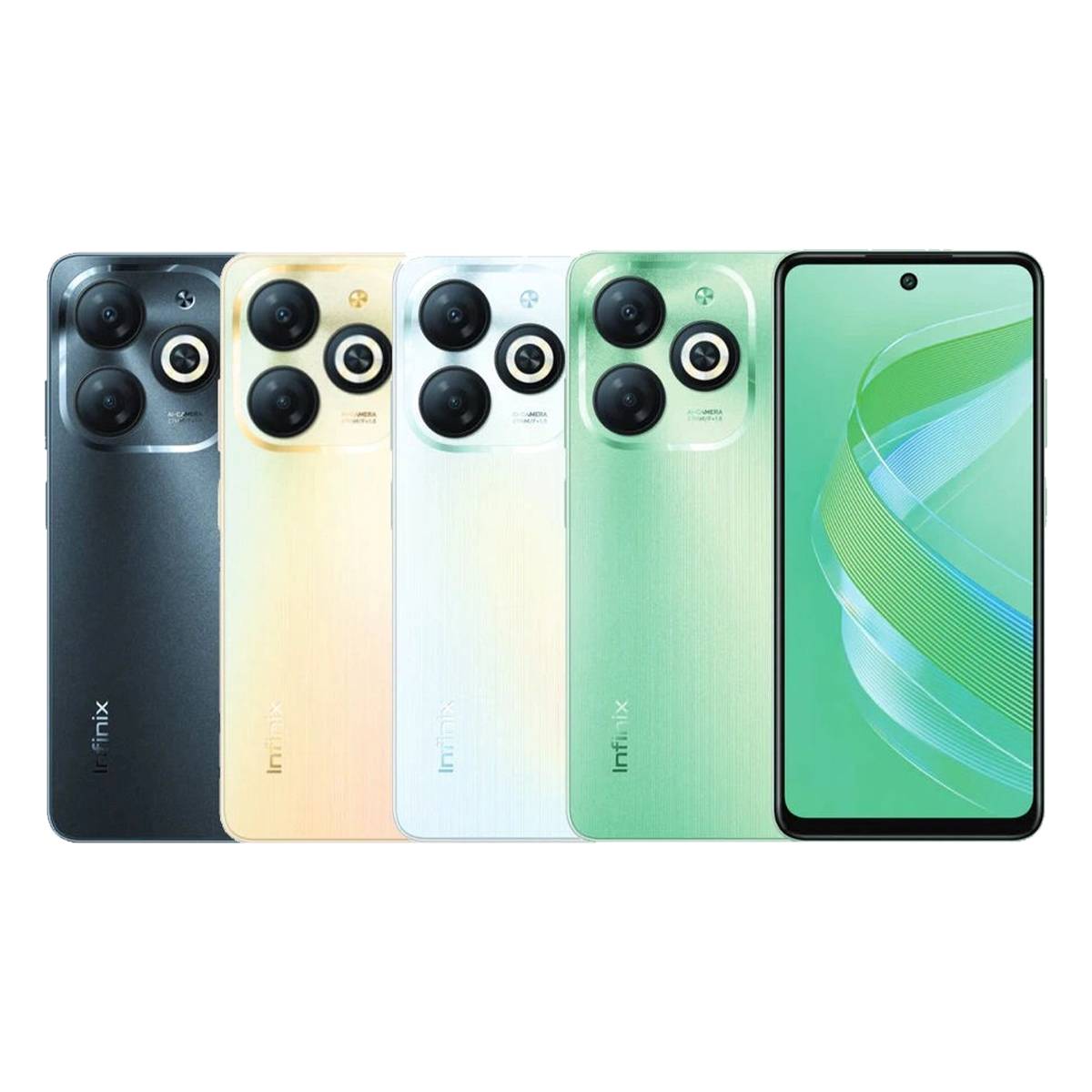
Smart gadgets are electronic devices that connect to the internet and can be controlled remotely, often enhancing daily tasks through automation and convenience.
How do smart gadgets influence lifestyle trends?
They promote new habits, encourage healthier living, and enhance home environments, all of which are often showcased and discussed on social media.
Are smart gadgets safe to use?
While generally safe, users should be aware of privacy concerns and ensure proper security measures are in place.
How can I choose the right smart gadget for me?
Consider your lifestyle needs, budget, and what features will provide the most benefit and convenience in your daily life.
What future trends can we expect with smart gadgets?
We can anticipate advancements in AI integration, greater interoperability among devices, and a focus on sustainability in future smart gadgets.