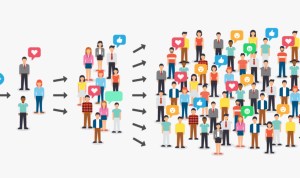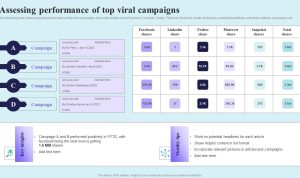


Insurance Companies Using TikTok for Viral Campaigns is a fascinating intersection of modern marketing and social media savvy. As TikTok’s popularity skyrockets, insurance companies are tapping into this platform to create engaging and relatable content that resonates with young audiences. This approach not only helps in demystifying insurance concepts but also boosts brand awareness in a fun and innovative way.
By leveraging TikTok’s unique format, these companies can craft entertaining short videos that simplify complex topics, making insurance more accessible and appealing. The blend of humor, storytelling, and informative content has proven effective in reaching a demographic that traditionally steers clear of insurance discussions.

In today’s fast-paced world, the significance of effective communication cannot be overstated. Whether in professional settings or personal interactions, the ability to convey messages clearly and confidently is a vital skill. In this article, we’ll explore various aspects of communication, including its importance, types, barriers, and tips for improvement.### The Importance of CommunicationCommunication is the foundation of human interaction. It enables us to share ideas, express feelings, and connect with one another.
In the workplace, effective communication can improve teamwork, increase productivity, and foster a positive work environment. On a personal level, good communication skills can enhance relationships, help resolve conflicts, and ensure that our needs and opinions are understood.### Types of CommunicationCommunication can be broadly categorized into two types: verbal and non-verbal.
1. Verbal Communication

This includes the spoken and written word. Verbal communication is direct and often more effective for conveying complex messages. It encompasses face-to-face conversations, phone calls, meetings, and written communication such as emails, reports, and text messages.
2. Non-Verbal Communication
This comprises body language, facial expressions, gestures, posture, and tone of voice. Non-verbal cues can significantly impact how messages are perceived and can sometimes convey more than words themselves. For instance, a confident tone and open body language can enhance the persuasive power of a verbal message.### Barriers to Effective CommunicationDespite its importance, there are several barriers to effective communication that individuals often encounter.
Understanding these barriers is crucial for overcoming them. Some common barriers include:
Language Differences
Misinterpretations can arise from language barriers or jargon that may not be understood by all parties.
Cultural Differences
Different cultures have varying communication styles, which can lead to misunderstandings. For example, some cultures value directness, while others may emphasize indirect communication.
Emotional Barriers
Personal feelings, such as anger or sadness, can hinder effective communication. When emotions run high, individuals may struggle to articulate their thoughts clearly.
Physical Barriers
Environmental factors, such as noise or distance, can also impede communication. For instance, trying to converse in a loud setting can lead to miscommunication.
Perceptual Barriers
Different perspectives and interpretations of information can create confusion. An individual’s pre-existing beliefs or biases can influence how they perceive messages from others.### Tips for Improving Communication SkillsImproving communication skills is a lifelong journey, but there are several strategies that individuals can employ to enhance their effectiveness. Here are some practical tips:
1. Active Listening
One of the most important aspects of communication is listening. Practicing active listening—where you pay full attention to the speaker, acknowledge their message, and respond thoughtfully—can lead to more meaningful exchanges.
2. Be Clear and Concise
Avoid using jargon or overly complex language. Strive to communicate your message in a straightforward manner. This helps ensure that your audience understands your point without confusion.
3. Practice Empathy
Put yourself in the shoes of others. Understanding their perspectives can help you tailor your messages for better comprehension and connection.
4. Use Non-Verbal Cues
Be mindful of your body language and facial expressions, as they can significantly affect how your message is received. Ensure that your non-verbal cues align with your verbal messages.
5. Ask for Feedback
Encourage open dialogue by asking for feedback on your communication style. This can provide valuable insights into how others perceive your messages and help you identify areas for improvement.
6. Engage in Regular Practice
Like any skill, communication improves with practice. Engage in conversations, participate in public speaking opportunities, or join groups that encourage dialogue to develop your skills further.
7. Be Open-Minded
Embrace diverse perspectives. Being open to different viewpoints can enrich your understanding and enhance your communication effectiveness.
8. Stay Calm Under Pressure
In tense situations, remain calm and composed. This will help you think clearly and communicate more effectively, even when emotions are high.### The Role of Technology in CommunicationIn recent years, technology has transformed the way we communicate. From emails and instant messaging to video conferencing and social media, various tools facilitate interaction across distances. While technology can enhance communication, it also introduces new challenges, such as the potential for misinterpretation and the lack of non-verbal cues.To navigate the digital communication landscape effectively, consider the following:
Choose the Right Medium
Different messages require different communication channels. For instance, sensitive topics may be best addressed in person rather than via email or text.
Be Mindful of Tone
Written communication can often be misinterpreted due to the absence of vocal tone and body language. Use clear language and, when appropriate, emojis or exclamation marks to convey emotion.
Limit Distractions
In virtual conversations, minimize distractions to maintain focus. This includes putting away your phone or closing unrelated tabs during video calls.
Follow Up and Clarify
After important discussions, consider following up with a summary of key points. This can ensure that all parties are on the same page and reinforce understanding.### ConclusionEffective communication is a vital skill that impacts every aspect of our lives. By understanding the importance of communication, recognizing barriers, and implementing strategies for improvement, individuals can enhance their interactions and build stronger relationships, both personally and professionally.
In our ever-evolving world, mastering the art of communication will continue to be an invaluable asset for years to come.
FAQ Overview: Insurance Companies Using TikTok For Viral Campaigns
Why are insurance companies using TikTok?
Insurance companies are using TikTok to reach younger audiences, simplify complex topics, and increase brand engagement through entertaining content.
What types of content are effective on TikTok for insurance?
Short, humorous skits, informative tips, and relatable scenarios tend to resonate well with TikTok users in the insurance niche.
How can insurance companies measure success on TikTok?
Success can be measured through engagement metrics, such as likes, shares, comments, and follower growth, as well as tracking leads generated through TikTok campaigns.
Is TikTok a suitable platform for all insurance products?
While TikTok may work best for personal and lifestyle insurance products, companies can tailor their approach depending on their target audience and product type.
Are there risks associated with using TikTok for marketing?
Yes, there are risks such as miscommunication and potential backlash if content is not well-received or is seen as inappropriate.