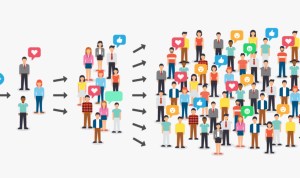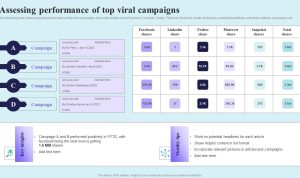


How Social Media Reviews Impact Viral Insurance Sales is a fascinating exploration of how online opinions shape consumer behavior and drive the insurance market. In today’s digital age, social media has become a powerful tool for influencing purchasing decisions, particularly in sectors like insurance where trust and credibility are paramount. Customers are increasingly relying on the experiences shared by others before making significant financial commitments, making the role of social media reviews more critical than ever.
As consumers scroll through platforms like Facebook, Twitter, and Instagram, they encounter a wealth of information that can sway their opinions about insurance providers. This dynamic creates an opportunity for insurers to harness positive reviews to boost sales and enhance brand reputation. Understanding this impact can help businesses develop effective strategies that leverage social proof to achieve viral success in their insurance offerings.

In the ever-evolving landscape of technology, the integration of artificial intelligence (AI) into various industries has become a hot topic. This article explores how AI is transforming sectors such as healthcare, finance, education, and transportation, examining both the benefits and challenges that come with its adoption. 1. The Rise of Artificial IntelligenceArtificial intelligence has grown from a niche field into a significant component of modern technology.
AI refers to the simulation of human intelligence processes by machines, particularly computer systems. These processes include learning (the acquisition of information and rules for using it), reasoning (using rules to reach approximate or definite conclusions), and self-correction. The rise of AI is largely attributed to advancements in machine learning, neural networks, and data analytics, which enable computers to process vast amounts of data quickly and efficiently.
As a result, businesses are increasingly leveraging AI to streamline operations, enhance customer experiences, and drive innovation.
2. Healthcare
Revolutionizing Patient Care 
For instance, algorithms can analyze patient data, lifestyle choices, and family history to predict diseases like diabetes or heart conditions. This proactive approach can lead to better health outcomes and reduced healthcare costs.In addition to diagnostics and predictive analytics, AI is enhancing personalized medicine. By analyzing genetic information, AI can help tailor treatment plans to individual patients, ensuring that therapies are more effective and have fewer side effects.
This shift towards personalized care is paving the way for more targeted and efficient treatments.
3. Finance
Transforming the Banking Sector
This capability allows banks to respond promptly, safeguarding their customers’ assets.Additionally, AI is transforming customer service through chatbots and virtual assistants. These AI-powered tools can handle a multitude of customer inquiries, providing instant responses and freeing up human representatives to tackle more complex issues. This not only improves customer satisfaction but also reduces operational costs for banks.AI is also enhancing investment strategies.
Robo-advisors, powered by AI algorithms, can analyze market trends and recommend investment portfolios tailored to individual risk preferences and financial goals. This democratization of investment advice enables more people to access financial planning services that were once reserved for high-net-worth individuals.
4. Education
Personalized Learning Experiences
Automated grading systems can evaluate student assignments and provide instant feedback, reducing the burden on teachers and enabling them to address learning gaps more effectively.AI is also enhancing accessibility in education. Tools like speech recognition software and text-to-speech applications assist students with disabilities, ensuring that all learners have equal opportunities to succeed. This commitment to inclusivity is vital in creating a more equitable educational landscape.
5. Transportation
Autonomous Vehicles and Beyond
Algorithms can analyze traffic patterns and passenger data to improve route efficiency and reduce wait times. This not only enhances the overall commuting experience but also encourages more people to use public transportation, ultimately reducing traffic congestion and carbon emissions.AI is also playing a critical role in logistics and supply chain management. By predicting demand and optimizing delivery routes, AI can help companies reduce operational costs and improve service levels.
This is especially important in today’s fast-paced retail environment, where customers expect rapid delivery of their purchases. 6. Challenges and Ethical ConsiderationsDespite the numerous benefits of AI, its rapid adoption comes with challenges and ethical considerations. One of the primary concerns is the potential for job displacement. As AI systems become more capable of performing tasks traditionally done by humans, there is a growing fear that many jobs may become obsolete.
While AI creates new opportunities, it is essential to ensure that workers are reskilled and prepared for the changing job landscape.Another significant concern is data privacy. AI systems rely on vast amounts of data to function effectively, raising questions about how this data is collected, stored, and used. Striking a balance between leveraging data for AI advancements and protecting individual privacy is crucial in building public trust in these technologies.Moreover, there are ethical considerations surrounding algorithmic bias.
AI systems are only as good as the data they are trained on. If the training data is biased, the resulting algorithms may perpetuate existing inequalities. It is essential for developers and organizations to prioritize fairness and transparency when designing AI systems.
7. The Future of AI
Opportunities and Outlook
Governments, organizations, and researchers must collaborate to establish standards that promote responsible AI development and usage.In conclusion, artificial intelligence is transforming industries in ways we could only imagine a few decades ago. From improving patient care in healthcare to revolutionizing customer service in finance, AI is enhancing efficiency, personalization, and accessibility. However, as we embrace these advancements, we must also address the challenges and ethical considerations that accompany them.
By fostering a responsible and inclusive approach to AI, we can harness its full potential for the benefit of society.
Essential FAQs: How Social Media Reviews Impact Viral Insurance Sales
How do social media reviews affect consumer trust?
Positive reviews can significantly enhance consumer trust, making potential customers more likely to choose a particular insurance provider.
Can negative reviews impact sales?
Yes, negative reviews can deter potential clients, leading to a decrease in sales and damaging the company’s reputation.
What platforms are most influential for insurance reviews?
Platforms like Facebook, Google, and specialized review sites are particularly influential in shaping consumer perceptions of insurance companies.
How should insurance companies respond to reviews?
Insurance companies should respond promptly and professionally to both positive and negative reviews to demonstrate their commitment to customer satisfaction.
Are influencer endorsements effective in insurance marketing?
Yes, influencer endorsements can amplify the reach of positive reviews and enhance credibility among potential customers.