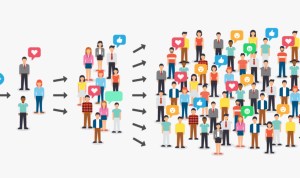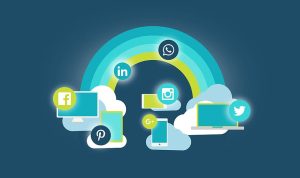


Global Awareness Campaigns Turning Insurance into Trends introduces an innovative movement reshaping the insurance landscape. As awareness of global challenges grows, insurance companies are transforming their approaches to attract a more conscious consumer base. This shift is not just about selling policies; it’s about creating trends that resonate with societal values and priorities.
With an increasing emphasis on sustainability, social justice, and community involvement, these campaigns are prompting insurers to rethink their strategies. They are now focusing on aligning their offerings with the values of their clients, making insurance not only a necessity but also a topic of interest and engagement. By leveraging modern marketing techniques and social media, these campaigns are elevating the conversation around insurance, making it more relatable and appealing to a wider audience.

In today’s fast-paced world, the importance of effective communication cannot be overstated. Whether in a professional setting or a personal interaction, the ability to convey thoughts clearly and positively impacts relationships and productivity. This article delves into the significance of communication, the various forms it takes, and offers strategies to enhance your communication skills.First and foremost, let’s define what communication is.
At its core, communication is the process of exchanging information, ideas, thoughts, or feelings between individuals. It can occur verbally through spoken words, non-verbally through body language and gestures, or in writing. Each form has its own nuances and importance.Verbal communication is perhaps the most direct method. It allows for immediate feedback, the ability to clarify points on the fly, and the opportunity for spontaneous dialogue.
However, it also comes with its challenges. Tone, pitch, and volume can all alter the message being conveyed. For instance, a simple statement can come off as an aggressive remark if the tone is harsh. Therefore, being mindful of how you express yourself verbally is crucial.Non-verbal communication plays a significant role as well. Studies suggest that a large percentage of our communication is non-verbal.
This includes facial expressions, gestures, posture, and eye contact. A warm smile or an open posture can convey friendliness and approachability, while crossed arms may signal defensiveness or discomfort. Being aware of your non-verbal cues is essential, as they often speak louder than words.Written communication is another vital aspect, especially in our digital age. Emails, text messages, and social media posts have become primary means of interaction.
The challenge with written communication lies in the absence of tone and body language, which can lead to misunderstandings. It’s essential to choose your words carefully and consider the context and the recipient’s perspective.Now that we understand the different forms of communication, let’s explore why effective communication is essential. In the workplace, for example, clear communication can enhance collaboration, reduce errors, and foster a positive work environment.
When team members feel heard and understood, they are more likely to contribute ideas and engage in productive discussions.On a personal level, effective communication builds strong relationships. It creates an atmosphere of trust and respect, where individuals feel comfortable expressing their thoughts and feelings. This is particularly important in conflict resolution. Addressing issues openly and respectfully can prevent misunderstandings and strengthen bonds.So, how can one improve their communication skills?
Here are some practical strategies:
1. Active Listening
One of the most critical aspects of communication is listening. Practicing active listening involves fully concentrating on the speaker, understanding their message, and responding thoughtfully. This not only ensures that you grasp their point but also makes the other person feel valued and acknowledged.
2. Clarity and Conciseness
When conveying your thoughts, aim for clarity and brevity. Avoid jargon or overly complex language that may confuse your audience. Instead, use simple, straightforward language to express your ideas effectively.
3. Empathy
Putting yourself in someone else’s shoes can greatly enhance your communication. Understanding their feelings and perspectives allows for more meaningful interactions. Empathetic communication fosters connections and encourages openness.
4. Body Language Awareness
Be mindful of your body language and non-verbal cues. Maintaining appropriate eye contact, using open gestures, and being aware of your facial expressions can significantly impact the effectiveness of your message.
5. Feedback
Constructive feedback is vital for personal and professional growth. Be open to receiving feedback on your communication style, and don’t hesitate to ask for clarification if you’re unsure about what someone is trying to convey.
6. Practice
Like any skill, communication improves with practice. Engage in conversations, participate in discussions, and seek opportunities to express your thoughts and ideas. The more you practice, the more confident you will become.
7. Adaptability
Different situations and audiences may require different communication styles. Being adaptable allows you to tailor your approach based on the context and the individuals involved, enhancing your effectiveness.While improving communication skills is a valuable endeavor, it’s also essential to recognize the challenges that can arise. Factors such as cultural differences, language barriers, and emotional states can all impact how messages are received and interpreted.
Being aware of these challenges and approaching interactions with an open mind can help navigate potential misunderstandings.Another important consideration in communication is the use of technology. In our increasingly digital world, virtual communication has become the norm. While it offers convenience and efficiency, it also presents unique challenges. Misinterpretations can occur more easily, and the lack of face-to-face interaction can hinder relationship-building.
Therefore, being clear and intentional in your digital communications is crucial to maintain connections and ensure messages are understood.In conclusion, effective communication is a fundamental skill that influences every aspect of our lives. By understanding its various forms, recognizing its significance, and actively working to improve our communication skills, we can foster better relationships, enhance collaboration, and create a more positive environment in both our personal and professional lives.
Remember, communication is not just about speaking; it’s about connecting. So, take the time to listen, reflect, and engage meaningfully with others. Your efforts will undoubtedly lead to more fruitful interactions and deeper connections.
Expert Answers: Global Awareness Campaigns Turning Insurance Into Trends
What are Global Awareness Campaigns?
They are initiatives aimed at raising awareness about global issues while promoting insurance products that align with those values.
How do these campaigns benefit insurance companies?
They enhance brand perception, attract new customers, and foster loyalty by aligning with clients’ values.
What role does social media play in these campaigns?
Social media amplifies the reach of these campaigns, allowing for real-time engagement and feedback from consumers.
Can small insurance companies implement these campaigns?
Absolutely! Smaller companies can leverage niche markets and tailored messaging to effectively engage their audience.
What future trends can we expect in insurance marketing?
We can anticipate a continued focus on sustainability, technology integration, and personalized customer experiences in future marketing strategies.