

Android in the Spotlight of Global Tech Headlines brings to light the dynamic and ever-evolving landscape of mobile technology. With its widespread influence and constant innovation, Android has become more than just an operating system; it’s a pivotal player in shaping global tech narratives. From its origins to its current status, understanding Android’s impact reveals the integral role it plays in our daily lives and the tech industry at large.
As we delve into this topic, we will explore Android’s significant advancements, its competitive environment with rivals, and how it adapts to meet user demands across various devices. This examination will not only highlight Android’s technical achievements but also its cultural significance in a world increasingly reliant on mobile technology.

In the vast tapestry of human civilization, one thread stands out for its pervasive influence: communication. From the rudimentary grunts of our early ancestors to the sophisticated digital dialogues of today, the evolution of communication has profoundly shaped our societies, cultures, and relationships. In this article, we will explore the history of communication, its various forms, and the critical role it plays in our daily lives.### The History of CommunicationCommunication began with the most basic forms, such as non-verbal gestures and vocal sounds.
Early humans relied on these primal methods to convey emotions, needs, and warnings. As societies developed, so did the complexity of their communication. The first significant leap came with the advent of language, allowing for more nuanced expression and the sharing of ideas.The invention of writing around 3200 BCE in Mesopotamia marked a pivotal moment in human communication. Sumerians created cuneiform script, enabling them to record transactions and events, thereby establishing a method for preserving knowledge.
Other civilizations soon followed suit, developing their own writing systems, which allowed for the recording of history, literature, and laws.The introduction of the printing press in the 15th century revolutionized communication once again. By making books more accessible, it facilitated the spread of knowledge and ideas on an unprecedented scale, fueling movements such as the Renaissance and the Reformation. This democratization of information laid the groundwork for the modern world.### Forms of CommunicationToday, communication can be categorized into several forms, each with its unique characteristics and purposes.
These forms can be broadly classified into verbal, non-verbal, written, and digital communication.#### 1. Verbal CommunicationVerbal communication involves the use of spoken words to convey messages. This can occur in various settings, including face-to-face conversations, phone calls, and presentations. Effective verbal communication requires clarity, tone, and an understanding of the audience. The nuances of language, such as idioms and slang, can also influence the effectiveness of the message.#### 2.
Non-Verbal CommunicationWhile words are powerful, non-verbal communication often speaks louder than them. This form includes body language, facial expressions, gestures, and even silence. For instance, a smile can convey warmth and friendliness, while crossed arms may indicate defensiveness. Understanding non-verbal cues is essential for interpreting the true meaning behind spoken words.#### 3. Written CommunicationWritten communication encompasses any message conveyed through written text.
This includes emails, letters, reports, and social media posts. Written communication allows for reflection and revision, enabling the sender to craft a message that accurately conveys their thoughts. It also serves as a permanent record, allowing information to be referenced in the future.#### 4. Digital CommunicationWith the rise of technology, digital communication has become the dominant form of interaction. Social media, instant messaging, and video conferencing platforms have transformed how we connect with one another.
This form of communication offers instantaneous interaction, breaking geographical barriers and facilitating global conversations. However, it also presents challenges, such as the risk of miscommunication and the potential for information overload.### The Role of Communication in Daily LifeCommunication is not merely a means of exchanging information; it plays a crucial role in various aspects of our lives. From personal relationships to professional environments, effective communication is key to success.#### 1.
Building RelationshipsAt its core, communication fosters connections between individuals. In personal relationships, open and honest communication builds trust and intimacy. Couples who communicate effectively are more likely to navigate conflicts successfully and maintain a strong bond. Similarly, friendships thrive on mutual understanding and shared experiences, both of which are cultivated through communication.#### 2. Navigating the WorkplaceIn professional settings, communication is essential for collaboration and productivity.
Clear communication ensures that team members understand their roles and responsibilities, reducing the risk of misunderstandings. Furthermore, effective leaders are skilled communicators who can inspire and motivate their teams. They know how to convey their vision and provide constructive feedback, creating a positive work environment.#### 3. Influencing SocietyCommunication also plays a vital role in shaping public opinion and influencing societal change.
From political speeches to social movements, the power of persuasive communication can mobilize individuals and communities. Effective communicators, such as activists and leaders, utilize storytelling and rhetoric to rally support for their causes, demonstrating the profound impact of words on society.#### 4. Facilitating LearningEducation is fundamentally rooted in communication. Teachers convey knowledge through lectures, discussions, and written materials. Students, in turn, express their understanding through questions, assignments, and presentations.
Effective communication enhances the learning experience, encouraging critical thinking and collaboration among peers.### Challenges in CommunicationDespite its importance, communication is fraught with challenges. Misunderstandings, cultural differences, and emotional barriers can hinder effective communication. For example, language barriers may lead to misinterpretations, while cultural differences can result in varying communication styles. Additionally, emotions such as anxiety or anger can cloud judgment and lead to ineffective exchanges.To overcome these challenges, individuals must develop strong communication skills.
Active listening, empathy, and cultural competence are essential tools for navigating complex conversations. By being aware of one’s own communication style and adapting to others, individuals can foster more meaningful interactions.### The Future of CommunicationAs technology continues to evolve, so too will communication. The rise of artificial intelligence, virtual reality, and augmented reality promises to reshape how we connect with one another.
These advancements offer exciting possibilities, such as immersive communication experiences and enhanced accessibility for individuals with disabilities.However, the future of communication also presents challenges. The prevalence of misinformation and the impact of digital communication on mental health raise concerns about the quality of our interactions. As we navigate this rapidly changing landscape, it is essential to prioritize authentic and meaningful communication.### ConclusionIn summary, communication is an integral part of the human experience.
Its evolution from primitive gestures to sophisticated digital dialogues reflects our innate desire to connect and share ideas. As we continue to navigate the complexities of communication in our daily lives, let us strive to enhance our skills and foster deeper connections with one another. By doing so, we can build a more understanding and cohesive society, where the power of communication is harnessed for positive change.
FAQ Resource: Android In The Spotlight Of Global Tech Headlines
What is the significance of Android in the tech industry?
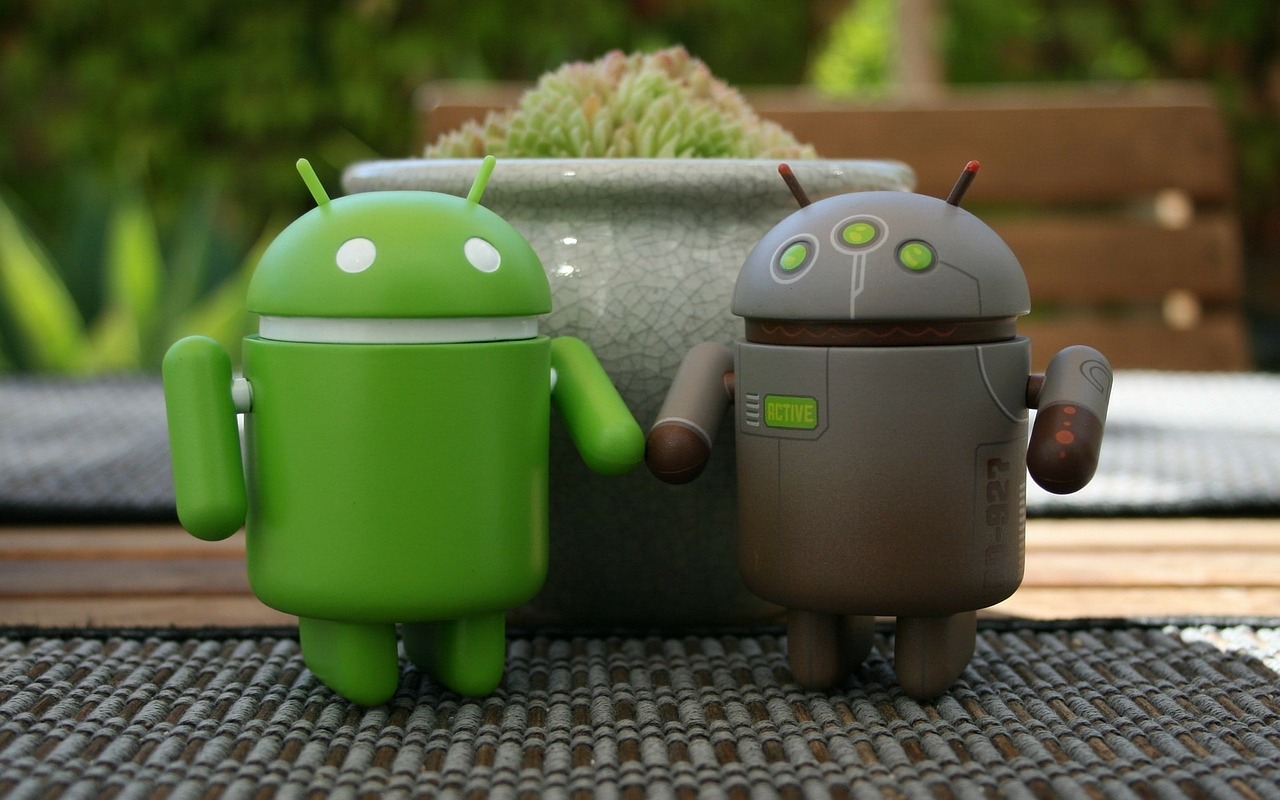
Android plays a crucial role in the tech industry as one of the most widely used operating systems, powering a vast range of devices and fostering innovation.
How does Android compare to other operating systems?
Android offers greater customization and a broader app ecosystem compared to other operating systems, attracting a diverse user base.
What are the latest trends in Android technology?
Recent trends include the integration of AI and machine learning, enhanced security features, and the expansion of 5G capabilities.
How does Android address user privacy concerns?
Android continually updates its privacy settings and tools to give users more control over their data and enhance security measures.
What future developments can we expect from Android?
Future developments may focus on improved user experience, seamless integration with other devices, and further advancements in artificial intelligence.